- Join Us
- Login
- EEA ToolKit
- Employment Essentials
- Frequently asked
- Contracts and wages
- Time off work & absence
- Staff management & training
- Workplace disputes
- Dismissals and resignations
- Pregnancy and children
- Avoiding discrimination
- Redundancy and Retirement
- Other responsibilities
- Legal Helpline
- Recruitment
- Good Recruitment
- New starters
- Find a groom
- Good Employment
- Resources
- Downloads Library
- EEA Pension & Payroll
- Safe workplace
- Employers Minds
- Transporting horses
- UK - EU Agreement
- Riding Establishment Licences
- Member discounts
- Business Hub
- Equestrian businesses
- The business plan
- Business compliance
- My clients
- Livery Contract Creator
- Financial matters
- Business challenges
- Marketing
- The EEA
- Employers Life
- Contact

Join Us
Employment Essentials
Recruitment
Good Employment
Resources
Business Hub
Employers Life
The EEA
Contact
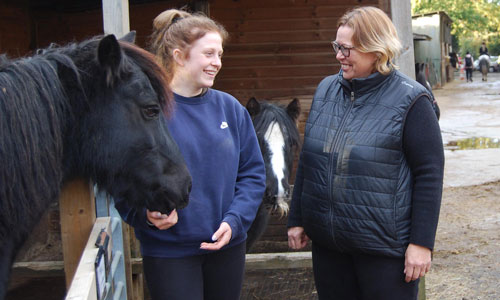
What our members say

“As a livery yard owner, the support from the EEA has been invaluable in the employment of our staff and the efficient running of the business.”
Day Dressage
EEA Member

“We decided we were going to do things differently, I just wasn't always sure how to do it! The EEA has all the solutions to employing staff legally.”
D & L Performance Horses
EEA Member
- Frequently asked
- Contracts and wages
- Time off work & absence
- Staff management & training
- Workplace disputes
- Dismissals and resignations
- Pregnancy and children
- Avoiding discrimination
- Redundancy and Retirement
- Other responsibilities
- Legal Helpline
Tools







- Good Recruitment
- New starters
- Find a groom
Tools
Tools
- Downloads Library
- EEA Pension & Payroll
- Safe workplace
- Employers Minds
- Transporting horses
- UK - EU Agreement
- Riding Establishment Licences
- Member discounts
Tools
Some functionality of the website is not currently available due to technical difficulties. We're working on fixing the issue.

Employer's Life
Finding and retaining suitable staff is an increasingly significant challenge for equestrian businesses. From livery yards and riding schools to competition centres and larger equestrian establishments, having a reliable, capable workforce is essential to running a successful operation. Yet recruitment difficulties, skills shortages and staff turnover continue to put pressure on an already demanding industry. While much attention is often given to finding new employees, retaining the people you already have can be just as important. Creating a positive working environment and being a good employer can play a major role in encouraging staff to stay, develop and become a valuable long-term asset to your business. The value of retaining experienced staff Losing an employee can have a much greater impact than simply having to recruit a replacement. There are recruitment costs, time spent interviewing and training, and the inevitable disruption to the day-to-day running of the business. In an industry where practical experience, horse handling skills and knowledge of individual horses are so important, the value of an established member of staff should not be underestimated. Retaining staff brings several advantages: What makes a good employer? Being a good employer doesn't necessarily mean offering the highest wages or having the most extensive facilities. While fair pay and appropriate benefits are important, many aspects of the working environment influence whether someone chooses to stay. Consider the following: Think beyond recruitment It can be tempting to focus on recruitment when staffing becomes a problem, but perhaps the more important question is why people leave in the first place. Regularly reviewing working conditions, asking employees for feedback and identifying areas for improvement can help prevent avoidable staff turnover. Even relatively small changes can have a positive impact on morale and job satisfaction. For equestrian businesses, where finding people with the right combination of practical skills, experience and attitude can be particularly difficult, creating a workplace where good employees want to stay makes sound business sense. Ultimately, being a good employer is not simply about fulfilling legal obligations. It is about recognising that your staff are one of your most valuable business assets. Investing in their development, wellbeing and job satisfaction can help build a more experienced, reliable and committed workforce – benefiting your business, your clients and, importantly, the horses in your care. About the author Cheryl Johns, owner and founder of LiveryList and the Yard Owner Hub, is a qualified and experienced yard manager, marketing advisor and business consultant with experience across a range of industries. She works as a consultant for equestrian charities and organisations developing their understanding of the livery sector. About LiveryList Launched in 2011, LiveryList is the UK’s leading directory of equestrian establishments. In 2023 they launched the Yard Owner Hub, and industry leading and industry recognised resource for the owners of equestrian establishments.
The real value of staff retention
27th November 2026


BLOG ARCHIVE
- 2026 (20 ENTRIES)
- 2025 (16 ENTRIES)
- 2024 (10 ENTRIES)
- 2023 (10 ENTRIES)
- 2022 (6 ENTRIES)
- 2021 (4 ENTRIES)
- 2020 (7 ENTRIES)
- 2019 (14 ENTRIES)
- 2018 (9 ENTRIES)
OUR PARTNERS





The EEA is the membership association for all
equestrian employers in the UK and NI.
MEMBERS OF:


Your item has been added to the basket
You need to create an account, or login before you can add this item to your basket.