- Join Us
- Login
- EEA ToolKit
- Employment Essentials
- Frequently asked
- Contracts and wages
- Time off work & absence
- Staff management & training
- Workplace disputes
- Dismissals and resignations
- Pregnancy and children
- Avoiding discrimination
- Redundancy and Retirement
- Other responsibilities
- Legal Helpline
- Recruitment
- Good Recruitment
- New starters
- Find a groom
- Good Employment
- Resources
- Downloads Library
- EEA Pension & Payroll
- Safe workplace
- Employers Minds
- Transporting horses
- Riding Establishment Licences
- Member discounts
- Business Hub
- Equestrian businesses
- The business plan
- Business compliance
- My clients
- Livery Contract Creator
- Financial matters
- Business challenges
- Marketing
- The EEA
- Employers Life
- Contact

Join Us
Employment Essentials
Recruitment
Good Employment
Resources
Business Hub
Employers Life
The EEA
Contact
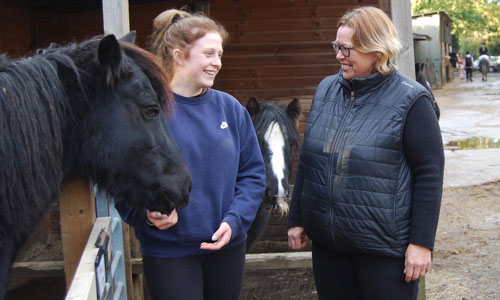
What our members say

“As a livery yard owner, the support from the EEA has been invaluable in the employment of our staff and the efficient running of the business.”
Day Dressage
EEA Member

“We decided we were going to do things differently, I just wasn't always sure how to do it! The EEA has all the solutions to employing staff legally.”
D & L Performance Horses
EEA Member
- Frequently asked
- Contracts and wages
- Time off work & absence
- Staff management & training
- Workplace disputes
- Dismissals and resignations
- Pregnancy and children
- Avoiding discrimination
- Redundancy and Retirement
- Other responsibilities
- Legal Helpline
Tools







- Good Recruitment
- New starters
- Find a groom
Tools
Tools
- Downloads Library
- EEA Pension & Payroll
- Safe workplace
- Employers Minds
- Transporting horses
- Riding Establishment Licences
- Member discounts
Tools
Some functionality of the website is not currently available due to technical difficulties. We're working on fixing the issue.
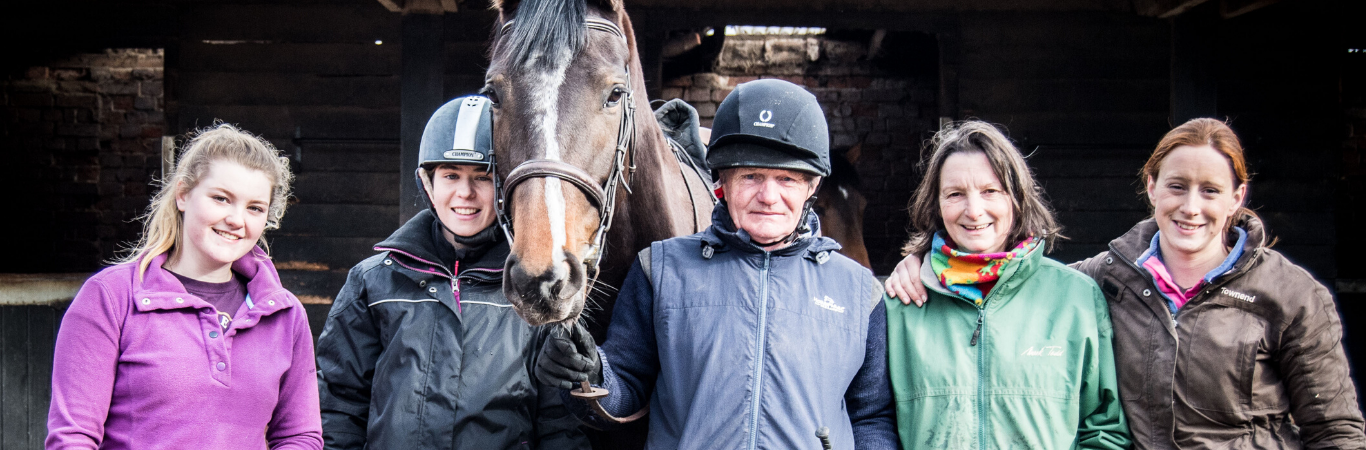
Employer's Life
This summer's prolonged hot, dry weather has left many paddocks looking more like parched deserts than grazing. As grass growth slows or stops altogether, yards may need to think carefully about maintaining fibre intake and ensuring horses continue to receive a balanced diet. When grazing becomes sparse, horses can quickly find themselves short of the fibre they need to support digestive health. While introducing hay or haylage is usually the first step, there are also a range of fibre-based feeds that can help supplement the diet if pasture is limited. Your choice will depend on the horse’s calorie requirements, how much of the forage ration you want to replace and on the chewing capabilities of the horse in question. Where possible, providing a combination of two or three fibre alternatives adds variety, particularly for those horse who spend more time in their stable. The aim is to encourage consumption while helping to occupy the horse, as eating long fibre would do. Horses have a psychological need to chew and saliva, produced when chewing, helps to buffer acid in the stomach – if they are left for long periods of time without the opportunity to chew, this can affect behaviour and have a negative effect on gastric health and gut function. Splitting the fibre replacement offered into a number of buckets spread around the stable or paddock will encourage natural foraging behaviour, slow down eating and occupy the horse for longer. For advice on feeding forage replacers, especially to horses with clinical issues, like PPID or poor dentition, contact Baileys Horse Feeds Tel: 01371 850247 (option 2) Email: nutrition@baileyshorsefeeds.co.uk Facebook: @BaileysHorseFeeds
Grass replacements and alternatives
29th July 2026

Choosing the right grass replacement

What to Feed
Easy Chew
Needs some chewing
Starch level
Sugar level
Calorie level
Suitable for total/partial replacement
Baileys Light Chaff
Yes
Low
Low
Low
Total
Baileys Alfalfa Blend
Yes
Low
Low
Moderate
Partial
Baileys Alfalfa Plus Oil
Yes
Low
Low
Higher
Partial
Speedi-Beet
Yes
None
Low
Moderate
Total
Fibre-Beet
Yes
Low
Low
Higher
Partial
Baileys Ultra Grass
Yes
Low
Moderate
Higher
Partial
Baileys Natural Meadow Cobs
Yes (when soaked)
Low
Low
Low
Total
Baileys Fibre Plus Nuggets
Yes (when soaked)
Yes
Some
Low-Moderate
Low
Partial
Clean barley or oat straw
Yes
Low
Low
Low
Partial (30 – 50% of the total forage ration)
How to Feed
BLOG ARCHIVE
- 2026 (17 ENTRIES)
- 2025 (16 ENTRIES)
- 2024 (10 ENTRIES)
- 2023 (10 ENTRIES)
- 2022 (6 ENTRIES)
- 2021 (4 ENTRIES)
- 2020 (7 ENTRIES)
- 2019 (14 ENTRIES)
- 2018 (9 ENTRIES)
OUR PARTNERS






-Small.jpg)

The EEA is the membership association for all
equestrian employers in the UK and NI.
MEMBERS OF:


Your item has been added to the basket
You need to create an account, or login before you can add this item to your basket.