- Join Us
- Login
- EEA ToolKit
- Employment Essentials
- Frequently asked
- Contracts and wages
- Time off work & absence
- Staff management & training
- Workplace disputes
- Dismissals and resignations
- Pregnancy and children
- Avoiding discrimination
- Redundancy and Retirement
- Other responsibilities
- Legal Helpline
- Recruitment
- Good Recruitment
- New starters
- Find a groom
- Good Employment
- Resources
- Downloads Library
- EEA Pension & Payroll
- Safe workplace
- Employers Minds
- Transporting horses
- Riding Establishment Licences
- Member discounts
- Business Hub
- Equestrian businesses
- The business plan
- Business compliance
- My clients
- Livery Contract Creator
- Financial matters
- Business challenges
- Marketing
- The EEA
- Employers Life
- Contact

Join Us
Employment Essentials
Recruitment
Good Employment
Resources
Business Hub
Employers Life
The EEA
Contact
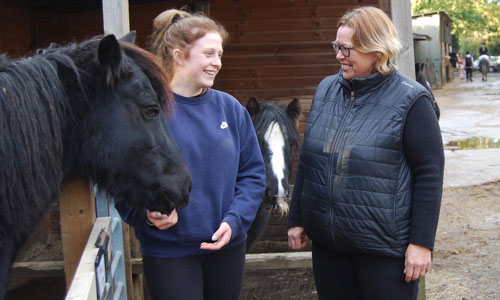
What our members say

“As a livery yard owner, the support from the EEA has been invaluable in the employment of our staff and the efficient running of the business.”
Day Dressage
EEA Member

“We decided we were going to do things differently, I just wasn't always sure how to do it! The EEA has all the solutions to employing staff legally.”
D & L Performance Horses
EEA Member
- Frequently asked
- Contracts and wages
- Time off work & absence
- Staff management & training
- Workplace disputes
- Dismissals and resignations
- Pregnancy and children
- Avoiding discrimination
- Redundancy and Retirement
- Other responsibilities
- Legal Helpline
Tools







- Good Recruitment
- New starters
- Find a groom
Tools
Tools
- Downloads Library
- EEA Pension & Payroll
- Safe workplace
- Employers Minds
- Transporting horses
- Riding Establishment Licences
- Member discounts
Tools
Some functionality of the website is not currently available due to technical difficulties. We're working on fixing the issue.

Employer's Life
As we ride into the busier seasons of the year, we start to see more competitions, clinics and increased yard demands. It is important for equestrian employers and employees to stay compliant with the UK Employment Laws. Workers should not exceed an average of 48 hours per week unless they have agreed to opt of out of this limit in writing. Employers must actively monitor workers’ hours to ensure compliance, particularly where working patterns are irregular (as is often the case in equestrian work). Staff are entitled to; In equestrian environments, early starts and late finishes are often unavoidable due to the nature of animal care and competition schedules. However, employers must still ensure that these patterns do not compromise staff wellbeing. Adequate rest periods are essential not only for legal compliance but also for maintaining safety, staff performance and morale. Travel is a significant component of equestrian work, particularly when transporting horses to competitions, training venues or veterinary appointments. Key facts to remember: Workers are entitled to a minimum of 5.6 weeks paid annual leave. We appreciate, however, that the busier months – typically spring and summer – often coincide with competitions and the event season. During these times, employers may limit when annual leave can be taken or refuse specific requests for valid business reasons. You must ensure, however, that employees take their full annual leave entitlement throughout the year. To manage this effectively, employers should; If you have any concerns about employment laws and what they mean for your business, please reach out to the Equestrian Employers Association team or the Employment Law team at HCR Wright Hassall who can provide assistance.
Summer working hours, travel and holidays
8th June 2026

Working Hours and breaks
Travel time
Managing Holiday during the busier seasons
BLOG ARCHIVE
- 2026 (11 ENTRIES)
- 2025 (16 ENTRIES)
- 2024 (10 ENTRIES)
- 2023 (10 ENTRIES)
- 2022 (6 ENTRIES)
- 2021 (4 ENTRIES)
- 2020 (7 ENTRIES)
- 2019 (14 ENTRIES)
- 2018 (9 ENTRIES)
OUR PARTNERS








-Small.jpg)


The EEA is the membership association for all
equestrian employers in the UK and NI.
MEMBERS OF:


Your item has been added to the basket
You need to create an account, or login before you can add this item to your basket.