- Join Us
- Login
- EEA ToolKit
- Employment Essentials
- Frequently asked
- Contracts and wages
- Time off work & absence
- Staff management & training
- Workplace disputes
- Dismissals and resignations
- Pregnancy and children
- Avoiding discrimination
- Redundancy and Retirement
- Other responsibilities
- Legal Helpline
- Recruitment
- Good Recruitment
- New starters
- Find a groom
- Good Employment
- Resources
- Downloads Library
- EEA Pension & Payroll
- Safe workplace
- Employers Minds
- Transporting horses
- Riding Establishment Licences
- Member discounts
- Business Hub
- Equestrian businesses
- The business plan
- Business compliance
- My clients
- Livery Contract Creator
- Financial matters
- Business challenges
- Marketing
- The EEA
- Employers Life
- Contact
Join Us
Employment Essentials
Recruitment
Good Employment
Resources
Business Hub
Employers Life
The EEA
Contact
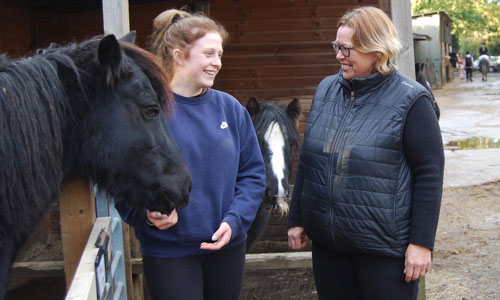
What our members say

“As a livery yard owner, the support from the EEA has been invaluable in the employment of our staff and the efficient running of the business.”
Day Dressage
EEA Member

“We decided we were going to do things differently, I just wasn't always sure how to do it! The EEA has all the solutions to employing staff legally.”
D & L Performance Horses
EEA Member
- Frequently asked
- Contracts and wages
- Time off work & absence
- Staff management & training
- Workplace disputes
- Dismissals and resignations
- Pregnancy and children
- Avoiding discrimination
- Redundancy and Retirement
- Other responsibilities
- Legal Helpline
Tools







- Good Recruitment
- New starters
- Find a groom
Tools
Tools
- Downloads Library
- EEA Pension & Payroll
- Safe workplace
- Employers Minds
- Transporting horses
- Riding Establishment Licences
- Member discounts
Tools
Some functionality of the website is not currently available due to technical difficulties. We're working on fixing the issue.
Employer's Life
Biosecurity isn’t just a concern during outbreaks — it should be a daily consideration for every type of yard. Whether you run a full livery yard, a training facility, a riding school, or a mixed-purpose equestrian centre, the risks associated with infectious disease are ever-present. One of the most overlooked factors in disease transmission is the role of external service providers. Farriers, vets, equine dental technicians, bodyworkers, and freelance grooms are essential to horse care, but many of these professionals visit multiple yards in a single day. Without proper precautions, this movement between premises can inadvertently increase the risk of cross-contamination. That’s why every yard, regardless of size or discipline, should have clear and practical biosecurity procedures in place. These don’t need to be complicated to be effective. Even simple measures can significantly reduce risk. Providing accessible hand-washing facilities, along with disinfectant for hands, footwear, and equipment, is a strong first line of defence. m It’s equally important to consider your own team. If you employ staff who also work at other equestrian facilities, they can unintentionally carry pathogens between locations. Establishing protocols such as changing clothing and footwear between yards and maintaining high personal hygiene standards can make a meaningful difference in limiting the spread of disease. Shared equipment is another potential risk area. Items such as grooming kits, tack, or tools should not move between horses — or yards — without thorough cleaning and disinfection. Being mindful of how and when equipment is used is a simple but powerful step in maintaining a healthy environment. Encouraging or requiring visiting professionals to clean their tools between appointments adds an important layer of protection. It’s also important to consider the specific types of horses on your yard when assessing biosecurity risks. Youngstock and veteran horses can be particularly vulnerable, especially where older equines may have underlying health conditions that make them more susceptible to infection. However, risk isn’t limited to these groups. Even on yards with fit, athletic competition horses, an outbreak of infectious disease can have serious consequences — from enforced lockdowns and movement restrictions to the cancellation of training and competitions. Whatever the profile of your horses, strong biosecurity measures are essential to protect both their health and your yard’s day-to-day operations. The cost and disruption caused by an outbreak far outweigh the time and effort required to implement good biosecurity practices. Simple rules and clear protocols can be one of the easiest and most effective ways to reduce risk. As part of Strangles Awareness Week, the SAW team and LiveryList have developed “All Part of the Service”, a helpful infographic highlighting straightforward considerations when working with equestrian professionals who may be moving from yard to yard, making it easier for yard owners to put practical measures in place. Ultimately, good biosecurity is about awareness, consistency, and a proactive mindset. By recognising the risks associated with external visitors and putting straightforward measures in place, yards can play a vital role in protecting not only their own horses, but the wider equestrian community. Communication is key. Yards should feel confident setting expectations for anyone entering the premises. Most professionals are highly aware of biosecurity and will welcome clear, consistent guidelines that support best practice. Small actions, applied consistently, really do make a big difference. About the author Cheryl Johns, owner and founder of LiveryList and the Yard Owner Hub, is a qualified and experienced yard manager, marketing advisor and business consultant with experience across a range of industries. She works as a consultant for equestrian charities and organisations developing their understanding of the livery sector. About LiveryList Launched in 2011, LiveryList is the UK’s leading directory of equestrian establishments. In 2023 they launched the Yard Owner Hub, and industry leading and industry-recognised resource for the owners of equestrian establishments.
Why Biosecurity Starts at the Gate
21st May 2026

Staff and Equipment
Horses
Strangles Awareness
BLOG ARCHIVE
- 2026 (17 ENTRIES)
- 2025 (16 ENTRIES)
- 2024 (10 ENTRIES)
- 2023 (10 ENTRIES)
- 2022 (6 ENTRIES)
- 2021 (4 ENTRIES)
- 2020 (7 ENTRIES)
- 2019 (14 ENTRIES)
- 2018 (9 ENTRIES)
OUR PARTNERS





-Small.jpg)


The EEA is the membership association for all
equestrian employers in the UK and NI.
MEMBERS OF:


Your item has been added to the basket
You need to create an account, or login before you can add this item to your basket.