- Join Us
- Login
- EEA ToolKit
- Employment Essentials
- Frequently asked
- Contracts and wages
- Time off work & absence
- Staff management & training
- Workplace disputes
- Dismissals and resignations
- Pregnancy and children
- Avoiding discrimination
- Redundancy and Retirement
- Other responsibilities
- Legal Helpline
- Recruitment
- Good Recruitment
- New starters
- Find a groom
- Good Employment
- Resources
- Downloads Library
- EEA Pension & Payroll
- Safe workplace
- Employers Minds
- Transporting horses
- Riding Establishment Licences
- Member discounts
- Business Hub
- Equestrian businesses
- The business plan
- Business compliance
- My clients
- Livery Contract Creator
- Financial matters
- Business challenges
- Marketing
- The EEA
- Employers Life
- Contact

Join Us
Employment Essentials
Recruitment
Good Employment
Resources
Business Hub
Employers Life
The EEA
Contact
What our members say

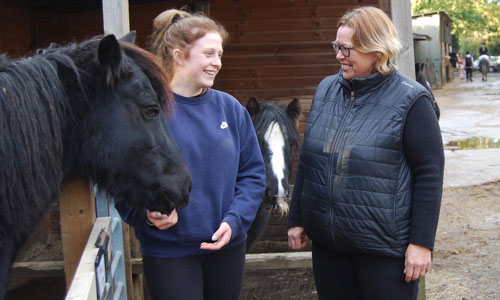
“As a livery yard owner, the support from the EEA has been invaluable in the employment of our staff and the efficient running of the business.”
Day Dressage
EEA Member
“We decided we were going to do things differently, I just wasn't always sure how to do it! The EEA has all the solutions to employing staff legally.”
D & L Performance Horses
EEA Member
- Frequently asked
- Contracts and wages
- Time off work & absence
- Staff management & training
- Workplace disputes
- Dismissals and resignations
- Pregnancy and children
- Avoiding discrimination
- Redundancy and Retirement
- Other responsibilities
- Legal Helpline
Tools







- Good Recruitment
- New starters
- Find a groom
Tools
Tools
- Downloads Library
- EEA Pension & Payroll
- Safe workplace
- Employers Minds
- Transporting horses
- Riding Establishment Licences
- Member discounts
Tools
Some functionality of the website is not currently available due to technical difficulties. We're working on fixing the issue.
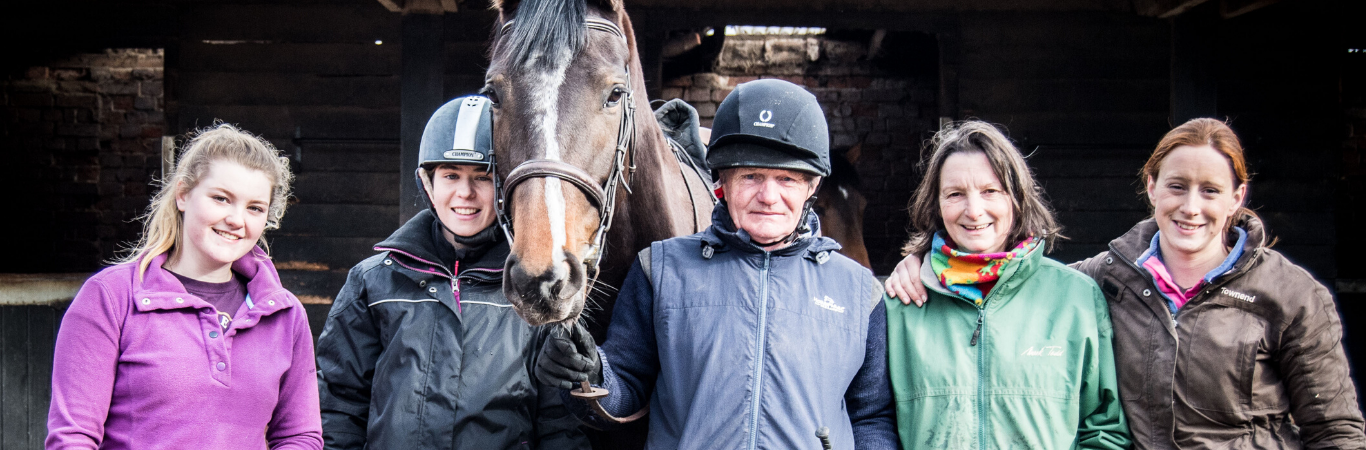
Employer's Life
Accidents involving people can happen anywhere on an equestrian premises. Staff, clients, or the yard owner themselves may experience slips and trips, falls, being kicked or trampled by a horse, or injuries from equipment or machinery. Being prepared for these situations is essential, not only to reduce risk and protect welfare but also to comply with UK health and safety legislation and demonstrate due diligence. Every yard with employees must provide adequate first aid under the Health and Safety (First-Aid) Regulations 1981, but even yards without staff benefit greatly from having clear procedures, trained responders, and well-stocked, easily accessible first aid kits. First aid kits should be checked regularly, clearly labelled, and kept separate from equine-specific supplies to avoid confusion in an emergency. Staff and regular clients should know where the supplies are kept, and who the trained first aiders are on site, and emergency contact numbers—including ambulance, fire, and police—should be prominently displayed. Maintaining accurate records is a crucial part of preparedness. Contact details for staff, clients, and horse owners should be kept up to date, along with next-of-kin information, so that the right people can be contacted promptly following an incident. Accident books should be maintained, and serious injuries reported under RIDDOR when required. Risk assessments should be regularly updated, and should identify common hazards, including uneven surfaces, horse handling and riding, machinery, or poor lighting, and appropriate preventive measures should be put in place. Emergency procedures should cover minor injuries through to serious incidents, including: A safe, clean area to administer first aid, access to clean water, blankets or towels, and a calm space for recovery can make a significant difference in outcomes. Preparedness should extend beyond the yard itself. Anyone riding off-site should share planned routes and expected ride times with someone remaining at the yard, and carry emergency contact details. Riders attending events should provide their intended location, expected return time, and ensure someone knows their plans. First aid supplies should travel with those heading to a competition, so minor injuries can be treated immediately, and more serious incidents can be managed until professional help is available. Mobile phones, torches, and any other equipment needed for safety should be easily accessible. Regular training and refreshers for staff and regular clients—covering basic first aid, manual handling, and emergency response—will increase confidence and competence when incidents occur. Taking a proactive approach to human safety, both on and off the yard, not only protects people but also demonstrates that the yard is well-managed and compliant with health and safety requirements. By keeping first aid procedures, records, and emergency contacts up to date, and by planning ahead for activities off the yard, incidents can be handled swiftly, calmly, and safely, ensuring the wellbeing of everyone involved. Employment planning may feel like a chore but investing time into it now will save stress, cut costs, and help build a solid foundation for your yard’s future. By considering all the costs and obligations, and with the right support, you'll establish a workforce that supports your business reliably—and stands the test of time. Engaging with professionals, like the EEA, early gives you confidence that your staffing model is legally compliant and sustainable. About the author Cheryl Johns, owner and founder of LiveryList and the Yard Owner Hub, is a qualified and experienced yard manager, marketing advisor and business consultant with experience across a range of industries. She works as a consultant for equestrian charities and organisations developing their understanding of the livery sector. About LiveryList Launched in 2011, LiveryList is the UK’s leading directory of equestrian establishments. In 2023 they launched the Yard Owner Hub, and industry leading and industry recognised resource for the owners of equestrian establishments. The LiveryList Yard Owner Hub provides support and guidance on all aspects of practical and administrative yard management. It offers advice, tools, and templates to help you run your yard efficiently throughout the year, from day-to-day operations to long-term planning, ensuring smooth, cost-effective, and well-organised management.
First Aid for Staff on the Yard
16th April 2026

First Aid Kits
Accurate records
Risk Assessments
Preparation and planning

Getting Help and Support
BLOG ARCHIVE
- 2026 (17 ENTRIES)
- 2025 (16 ENTRIES)
- 2024 (10 ENTRIES)
- 2023 (10 ENTRIES)
- 2022 (6 ENTRIES)
- 2021 (4 ENTRIES)
- 2020 (7 ENTRIES)
- 2019 (14 ENTRIES)
- 2018 (9 ENTRIES)
OUR PARTNERS








-Small.jpg)


The EEA is the membership association for all
equestrian employers in the UK and NI.
MEMBERS OF:


Your item has been added to the basket
You need to create an account, or login before you can add this item to your basket.