- Join Us
- Login
- EEA ToolKit
- Employment Essentials
- Frequently asked
- Contracts and wages
- Time off work & absence
- Staff management & training
- Workplace disputes
- Dismissals and resignations
- Pregnancy and children
- Avoiding discrimination
- Redundancy and Retirement
- Other responsibilities
- Legal Helpline
- Recruitment
- Good Recruitment
- New starters
- Find a groom
- Good Employment
- Resources
- Downloads Library
- EEA Pension & Payroll
- Safe workplace
- Employers Minds
- Transporting horses
- Riding Establishment Licences
- Member discounts
- Business Hub
- Equestrian businesses
- The business plan
- Business compliance
- My clients
- Livery Contract Creator
- Financial matters
- Business challenges
- Marketing
- The EEA
- Employers Life
- Contact
Join Us
Employment Essentials
Recruitment
Good Employment
Resources
Business Hub
Employers Life
The EEA
Contact
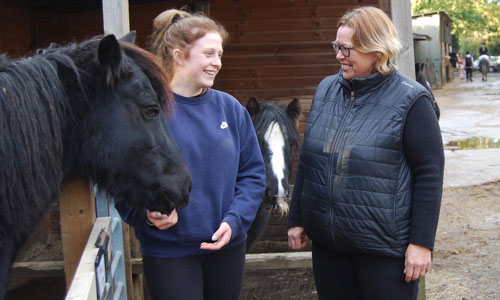
What our members say

“As a livery yard owner, the support from the EEA has been invaluable in the employment of our staff and the efficient running of the business.”
Day Dressage
EEA Member

“We decided we were going to do things differently, I just wasn't always sure how to do it! The EEA has all the solutions to employing staff legally.”
D & L Performance Horses
EEA Member
- Frequently asked
- Contracts and wages
- Time off work & absence
- Staff management & training
- Workplace disputes
- Dismissals and resignations
- Pregnancy and children
- Avoiding discrimination
- Redundancy and Retirement
- Other responsibilities
- Legal Helpline
Tools







- Good Recruitment
- New starters
- Find a groom
Tools
Tools
- Downloads Library
- EEA Pension & Payroll
- Safe workplace
- Employers Minds
- Transporting horses
- Riding Establishment Licences
- Member discounts
Tools
Some functionality of the website is not currently available due to technical difficulties. We're working on fixing the issue.

News
Employment Rights Act becomes law
19th December 2025
The Employment Rights Bill has now received Royal Assent, becoming the Employment Rights Act 2025, marking the most significant change to UK employment law in a generation.
Although the Act became law on 18 December 2025, most of the changes will be introduced gradually between 2026 and 2027, giving employers time to prepare.
So, what do equestrian employers need to know?
Here's our quick guide to the key changes affecting equestrian businesses.
Unfair dismissal rights after six months
The qualifying period to bring an unfair dismissal claim will reduce from two years to six months. This change is expected to take effect in early 2027 and means employers will need to manage performance and conduct issues carefully much earlier in employment.
Statutory Sick Pay from day one
Statutory Sick Pay will become payable from the first day of sickness, and eligibility will extend to more low-paid and part-time workers. This is expected to come into force in April 2026 and may affect yards that rely on casual or part-time staff.
Greater protection for casual and variable-hours workers
Workers on irregular hours will gain new rights to request guaranteed hours and receive reasonable notice of shifts, with compensation where shifts are cancelled at short notice. These changes are expected during 2026, following further consultation.
End of ‘fire and rehire’ practices
Employers will be restricted from dismissing staff simply to change terms and conditions, except in limited circumstances. This reform is due to take effect from October 2026.
Day-one parental rights
Paternity leave and unpaid parental leave will become day-one rights, rather than requiring a qualifying period. This is expected to be introduced in April 2026.
Stronger enforcement
A new Fair Work Agency will be created to enforce employment rights, increasing the likelihood of inspections and penalties for non-compliance.
What happens next?
Many of the detailed rules will be set out in secondary legislation and guidance during 2026. Equestrian employers are encouraged to review employment contracts, working arrangements and sickness policies well in advance of the changes coming into force.
While the reforms are being phased in, they represent a clear shift towards stronger worker protections. Small equestrian businesses should plan ahead to avoid unexpected costs or disputes as the new rules take effect.
The EEA is here to support you
Keeping on top of employment law can be tough, especially when you have a yard to run. As a member the EEA keeps you up-to-date with the latest changes and can support you in ensuring that you're operating within the latest legal requirements.
Discover the benefits of EEA membership
NEWS ARCHIVE
- 2026 (6 ENTRIES)
- 2025 (30 ENTRIES)
- 2024 (22 ENTRIES)
- 2023 (18 ENTRIES)
- 2022 (15 ENTRIES)
- 2021 (10 ENTRIES)
- 2020 (36 ENTRIES)
- 2019 (42 ENTRIES)
- 2018 (48 ENTRIES)
- 2017 (15 ENTRIES)
OUR PARTNERS



-Small.jpg)

The EEA is the membership association for all
equestrian employers in the UK and NI.
MEMBERS OF:


Your item has been added to the basket
You need to create an account, or login before you can add this item to your basket.