- Join Us
- Login
- EEA ToolKit
- Employment Essentials
- Frequently asked
- Contracts and wages
- Time off work & absence
- Staff management & training
- Workplace disputes
- Dismissals and resignations
- Pregnancy and children
- Avoiding discrimination
- Redundancy and Retirement
- Other responsibilities
- Legal Helpline
- Recruitment
- Good Recruitment
- New starters
- Find a groom
- Good Employment
- Resources
- Downloads Library
- EEA Pension & Payroll
- Safe workplace
- Employers Minds
- Transporting horses
- Riding Establishment Licences
- Member discounts
- Business Hub
- Equestrian businesses
- The business plan
- Business compliance
- My clients
- Livery Contract Creator
- Financial matters
- Business challenges
- Marketing
- The EEA
- Employers Life
- Contact

Join Us
Employment Essentials
Recruitment
Good Employment
Resources
Business Hub
Employers Life
The EEA
Contact
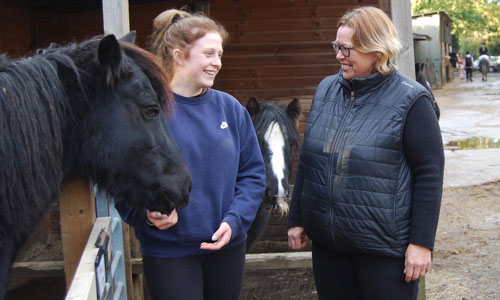
What our members say

“As a livery yard owner, the support from the EEA has been invaluable in the employment of our staff and the efficient running of the business.”
Day Dressage
EEA Member

“We decided we were going to do things differently, I just wasn't always sure how to do it! The EEA has all the solutions to employing staff legally.”
D & L Performance Horses
EEA Member
- Frequently asked
- Contracts and wages
- Time off work & absence
- Staff management & training
- Workplace disputes
- Dismissals and resignations
- Pregnancy and children
- Avoiding discrimination
- Redundancy and Retirement
- Other responsibilities
- Legal Helpline
Tools







- Good Recruitment
- New starters
- Find a groom
Tools
Tools
- Downloads Library
- EEA Pension & Payroll
- Safe workplace
- Employers Minds
- Transporting horses
- Riding Establishment Licences
- Member discounts
Tools
Some functionality of the website is not currently available due to technical difficulties. We're working on fixing the issue.

News
Yards urged not to delay worm egg count testing
11th August 2026
Horse worms don't go on holiday!
New analysis of more than 50,000 UK worm egg count results highlights the importance of sticking to 8 to 12-week testing intervals.
Equine parasite specialists, Westgate Labs, are urging horse owners not to delay routine worm egg count testing this summer as sustained high temperatures replicate the conditions that saw significantly more horses requiring treatment in 2025.
With 2026 having already brought record breaking spring temperatures and repeated summer heatwaves, the laboratory is encouraging owners to keep to the recommended testing intervals, even for horses that have historically returned low worm egg counts.
Increased Infection Risk
Analysis of Westgate Labs' autumn and winter worm egg count results showed that around 27% of horses exceeded the treatment threshold during 2025/26, compared with 21% during 2024/25 and 18% during 2023/24.
After allowing for the normal seasonal rise in egg shedding through autumn and winter, the increase remained statistically significant.

The findings are based on more than 50,000 worm egg count tests submitted between September and February, making this one of the largest datasets of its kind in the UK.
The small redworm has a fast lifecycle of around 4-6 weeks. Experts have summarised that the warm weather accelerates the larval development phase of the parasites, allowing horses to become more readily infected as they graze.
This, combined with burnt off paddocks and low grass growth means reduced opportunity to rest and rotate grazing. With less forage available, horses have been cropping the grass closer to the soil and dung piles, further increasing infection potential.
|
"Regular testing allows yards to spot changes before they become a problem. If interval between tests is stretched, there's a greater chance that horses shedding higher numbers of parasite eggs will contaminate the pasture for longer, increasing infection pressure for the whole group.
Testing every eight to twelve weeks means you're responding to what's happening now, rather than what happened three or four months ago."
Kristy Hodgson, Director at Westgate Labs
|
While no single season can be attributed to climate change, research suggests that warmer temperatures and milder winters are likely to favour parasite development and extend periods of pasture challenge.
The Met Office has already confirmed that England experienced its warmest spring on record in 2026, followed by widespread heatwaves and emerging drought conditions throughout the UK.
Yards are encouraged to review when they last tested. If it has been eight weeks or more, now is the time to collect fresh samples and find out what is happening on your pastures before heading into the autumn.
Win Your Next Worm Egg Count Test
Westgate Labs is offering a daily prize draw 17th – 28th August. One lucky customer, drawn at random, will get their next tests for free, to the value of the tests submitted.
The draw will take place on social media, each day, Monday to Friday from the post bag. *T&Cs apply.
Can't Wait?
BGA and EEA members can get 10% off all Westgate Labs commercial worm egg count tests and season packs year round.
NEWS ARCHIVE
- 2026 (24 ENTRIES)
- 2025 (29 ENTRIES)
- 2024 (22 ENTRIES)
- 2023 (18 ENTRIES)
- 2022 (15 ENTRIES)
- 2021 (10 ENTRIES)
- 2020 (36 ENTRIES)
- 2019 (42 ENTRIES)
- 2018 (48 ENTRIES)
- 2017 (14 ENTRIES)
OUR PARTNERS








-Small.jpg)



The EEA is the membership association for all
equestrian employers in the UK and NI.
MEMBERS OF:


Your item has been added to the basket
You need to create an account, or login before you can add this item to your basket.