- Join Us
- Login
- EEA ToolKit
- Employment Essentials
- Frequently asked
- Contracts and wages
- Time off work & absence
- Staff management & training
- Workplace disputes
- Dismissals and resignations
- Pregnancy and children
- Avoiding discrimination
- Redundancy and Retirement
- Other responsibilities
- Legal Helpline
- Recruitment
- Good Recruitment
- New starters
- Find a groom
- Good Employment
- Resources
- Downloads Library
- EEA Pension & Payroll
- Safe workplace
- Employers Minds
- Transporting horses
- Riding Establishment Licences
- Member discounts
- Business Hub
- Equestrian businesses
- The business plan
- Business compliance
- My clients
- Livery Contract Creator
- Financial matters
- Business challenges
- Marketing
- The EEA
- Employers Life
- Contact

Join Us
Employment Essentials
Recruitment
Good Employment
Resources
Business Hub
Employers Life
The EEA
Contact
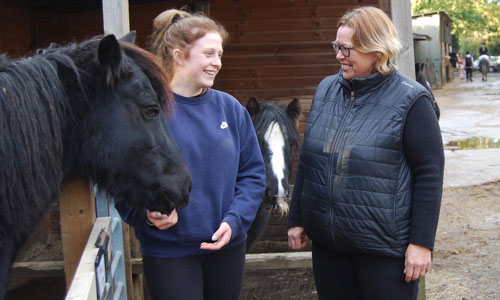
What our members say

“As a livery yard owner, the support from the EEA has been invaluable in the employment of our staff and the efficient running of the business.”
Day Dressage
EEA Member

“We decided we were going to do things differently, I just wasn't always sure how to do it! The EEA has all the solutions to employing staff legally.”
D & L Performance Horses
EEA Member
- Frequently asked
- Contracts and wages
- Time off work & absence
- Staff management & training
- Workplace disputes
- Dismissals and resignations
- Pregnancy and children
- Avoiding discrimination
- Redundancy and Retirement
- Other responsibilities
- Legal Helpline
Tools







- Good Recruitment
- New starters
- Find a groom
Tools
Tools
- Downloads Library
- EEA Pension & Payroll
- Safe workplace
- Employers Minds
- Transporting horses
- Riding Establishment Licences
- Member discounts
Tools
Some functionality of the website is not currently available due to technical difficulties. We're working on fixing the issue.
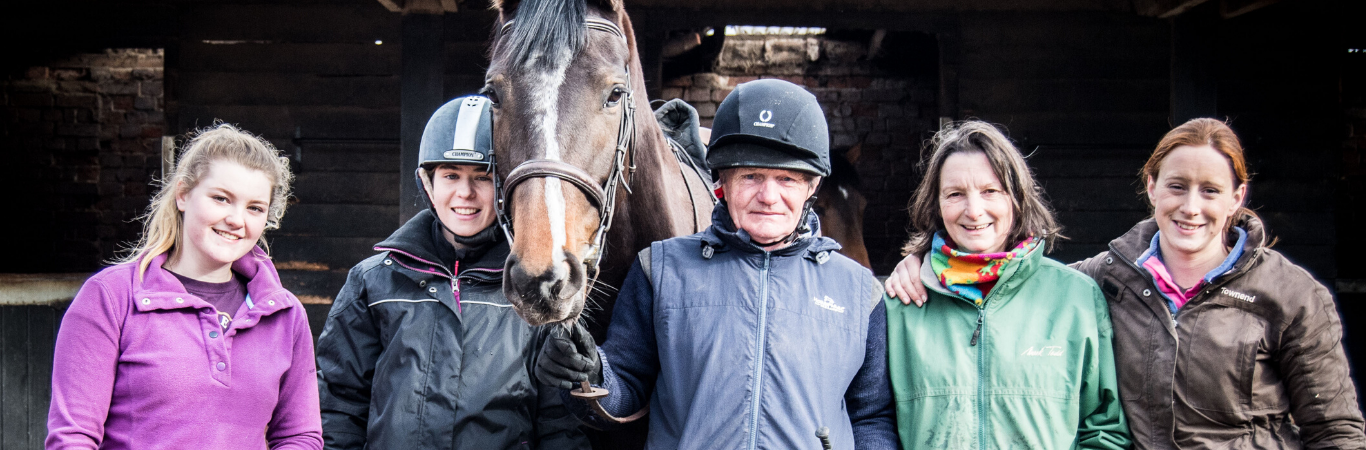
News
British Equestrian updates action plan
13th July 2026
Equine welfare and the ethical care and use of horses are at the heart of British Equestrian (BEF).
Reflecting this commitment to continuous improvement and evolving equine welfare and ethics expectations, the federation and its member bodies have intensified efforts to raise standards, strengthen compliance and drive meaningful change.
British Equestrian is now proud to provide further details of the Equine Welfare Action Plan 2026–2028 - a clear roadmap for continuous progress within the federation over the current four-year Olympic cycle and beyond.
|
“The horse must always come first. There can be no compromise on their health, safety or wellbeing. We have a responsibility - as regulators, educators and, most importantly, as people who love horses - to deliver real, tangible change and to hold ourselves and others to the highest standards.” Fields Wicker-Miurin OBE FKC, Chair of British Equestrian |
Key recent progress and current priorities include:
Enhanced welfare reporting: Welfare concerns can now be reported to a dedicated reporting and case management system (Globocol). Additionally, all equine fatalities that occur in federation events under member bodies’ auspices are now reported and reviewed to enable data-led decision making and improved safety measures.
Equine Welfare Officer Network: Nominated Welfare Officers work collaboratively with organisations such as the RSPCA, SSPCA and World Horse Welfare to strengthen alignment and best practice.
Equine medication principles: Prepared with input from the British Equestrian Veterinary Association, the federation has developed a set of principles regarding the ethical use of medication in horses.
Stronger governance: British Equestrian revised its rulebook in 2025 to include stricter regulation on the protection of equine welfare.
Coaching reform: Equine welfare content such as ethical training, welfare models and equine learning theory and ethical roles and training for coaches has been embedded in an updated coaching framework to be used across the federation.
Disciplinary alignment: Clearer, more consistent and more robust processes include looking at existing ‘return to play’ requirements for those who receive equine welfare sanctions.
Horse registration ambition: Work is underway to improve traceability across a horse’s involvement within federation activities via registration processes, supporting biosecurity, welfare and safeguarding.
Communications: A coordinated approach to proactive and reactive communications has been implemented to promote welfare education, raise awareness and share positive equine experiences, and those who champion them. This includes showcasing best practice, while also celebrating the unique bond and partnership between horses and humans.
This action plan is being continuously reviewed, ensuring progress remains measurable and aligned with emerging challenges and opportunities.
|
“Increased scrutiny offers an opportunity to demonstrate what good welfare looks like, to be transparent in our actions and to celebrate those who dedicate their lives to delivering a positive environment for horses.” Fields Wicker-Miurin OBE FKC, Chair of British Equestrian |
NEWS ARCHIVE
- 2026 (16 ENTRIES)
- 2025 (29 ENTRIES)
- 2024 (22 ENTRIES)
- 2023 (18 ENTRIES)
- 2022 (15 ENTRIES)
- 2021 (10 ENTRIES)
- 2020 (36 ENTRIES)
- 2019 (42 ENTRIES)
- 2018 (48 ENTRIES)
- 2017 (14 ENTRIES)
OUR PARTNERS




-Small.jpg)



The EEA is the membership association for all
equestrian employers in the UK and NI.
MEMBERS OF:


Your item has been added to the basket
You need to create an account, or login before you can add this item to your basket.